
Trump’s H-1B Pivot: A Talent Gap Excuse or Big Tech Giveaway?

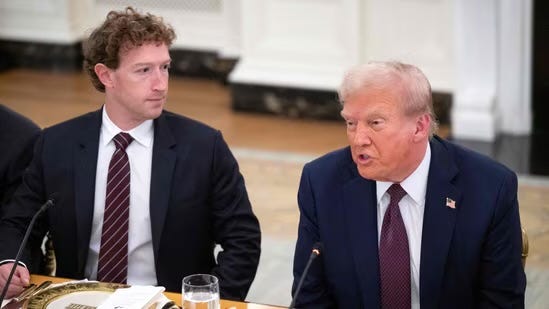
In a candid exchange that aired on Fox News’ The Ingraham Angle this week, President Donald Trump defended the controversial H-1B visa program, bluntly asserting that the United States lacks the “certain talents” needed to fill critical high-tech and engineering roles. Pressed by host Laura Ingraham on whether his administration would prioritize curbing the program to protect American wages, Trump shot back: “I agree — but you also do have to bring in talent.”
When Ingraham countered that America has “plenty of talented people,” Trump doubled down: “No, you don’t.” The remarks, delivered just days after Trump signed an executive order hiking H-1B application fees to $100,000, have ignited a firestorm among his MAGA base, with critics accusing him of betraying the “America First” ethos that propelled his 2024 return to the White House.
This isn’t Trump’s first brush with H-1B controversy. During his first term, he cracked down on the program amid broader immigration restrictions, only to see it rebound as tech giants like Google, Amazon, and Microsoft snapped up over 61,000 visas between 2022 and 2024—often while laying off thousands of American workers.
Now, just months into his second term, the president appears to be softening, framing H-1B as a national security imperative in the race against global rivals like China. “They’re not the French. They’re the Chinese. They spy on us. They steal our intellectual property,” Ingraham noted during the interview, echoing Trump’s own past rhetoric on Beijing’s economic aggression. Trump didn’t disagree, positioning the visas as a tool to keep America ahead in AI, semiconductors, and defense tech—sectors where China is pouring billions into talent poaching.
On the surface, there’s merit to this geopolitical angle. The U.S. produces far fewer STEM graduates per capita than competitors like China and India, which dominate the 85,000 annual H-1B cap (with India claiming about 75%).
Without targeted imports, American firms risk falling behind in the innovation arms race, potentially ceding ground in everything from quantum computing to hypersonic missiles. Trump’s example of not pulling “people off the unemployment line” to “make missiles” underscores a real skills mismatch: not every laid-off factory worker can pivot to coding neural networks overnight. In this view, minimal H-1B use—strictly for elite, irreplaceable expertise—could serve as a stopgap, buying time to outcompete adversaries without hollowing out domestic jobs.
But here’s where the endorsement sours: it’s less about strategic necessity and more about Big Tech’s insatiable appetite for cheap, compliant labor. Silicon Valley lobbyists have long gamed the system, sponsoring H-1B workers at wages 20-30% below market rates for Americans, then chaining them to employers via visa dependency.
Trump’s inner circle, including allies like Elon Musk and David Sacks, has amplified this narrative, clashing with “America First” purists who see it as a scam displacing U.S. engineers. The result? A pipeline that floods the market, suppresses salaries, and sidelines qualified Americans—many of whom, per industry whistleblowers, train their foreign replacements before getting pink slips. This isn’t putting Americans first; it’s prioritizing corporate bottom lines, which might juice global competitiveness short-term but erodes the middle class Trump vowed to champion.
Worse, there’s no discernible long-term vision in Trump’s comments to bridge the talent gap at home. Where’s the blueprint for ramping up domestic STEM education, apprenticeships, or workforce retraining? Programs like expanded vocational tech schools or tax incentives for hiring and upskilling U.S. citizens could gradually build a self-reliant labor force, reducing reliance on foreign visas altogether. Instead, the interview painted a picture of perpetual importation: talented Americans deemed insufficient, foreign workers as the default fix. As podcaster Benny Johnson fumed on X, echoing the late Charlie Kirk, this risks turning H-1B into an unchecked “scam” that betrays the very voters who delivered Trump’s mandate. Polls already show his approval dipping among young conservatives, with some MAGA voices decrying a “betrayal” vibe of donor-driven policies over populist priorities.
Trump’s H-1B stance could be a pragmatic nod to real-world economics, but without guardrails—higher wage floors, mandatory American hiring quotas, and a phased sunset for the program—it veers into exploitation. Prioritizing citizens means investing in them now, not outsourcing our future. If the administration truly wants to win the talent war with China, it starts by arming American workers, not importing their rivals. Otherwise, this pivot risks fracturing the coalition that put Trump back in the Oval Office, proving that even “America First” has its asterisks.