
The Jasleen Singh Saga: A Cautionary Tale of Public Humiliation, Toxic Advice, and the Perils of Settling

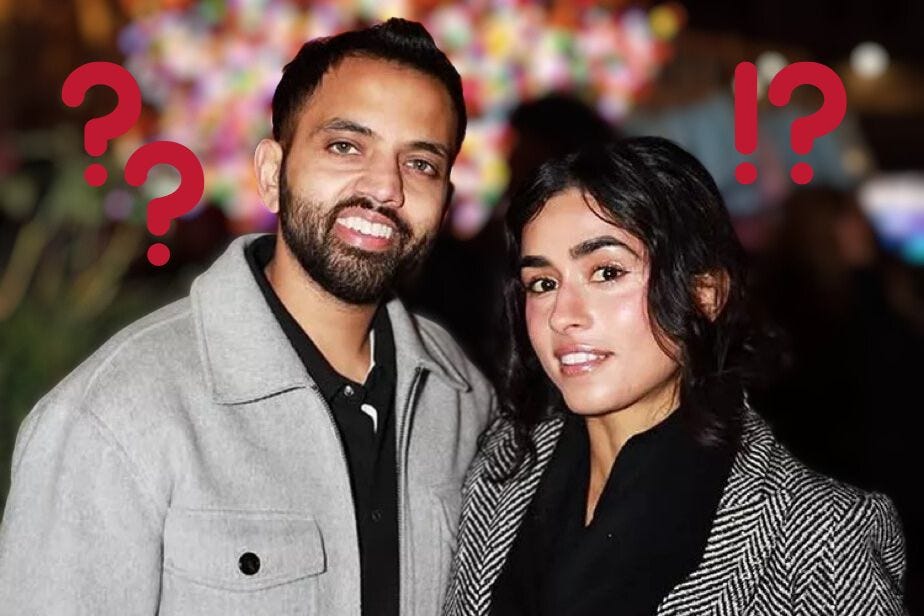
In the cutthroat world of modern media, where podcasts and social clips can make or break reputations overnight, few stories have captivated—and repulsed—the internet quite like the ongoing drama surrounding comedian Akaash Singh and his wife, Jasleen Singh. What began as a seemingly playful dynamic between the Flagrant 2 co-host and his younger, TikTok-famous spouse has spiraled into a relentless public humiliation ritual, exposing raw nerves about marriage, fidelity, and gender expectations.
As of December 2025, Jasleen’s unfiltered revelations on her Main Character Podcast have not only contradicted her husband’s past claims but also positioned her as an unlikely—and deeply flawed—voice for young women. Yet, beneath the viral clips and fiery defenses lies a stark warning: her “empowerment” narrative is a recipe for relational disaster, and men everywhere should take note before it’s too late.
The Spark: From Virgin Vows to Viral Confessions
Akaash Singh, a 41-year-old stand-up comedian known for his sharp wit on Flagrant alongside Andrew Schulz, has long positioned himself as a romantic idealist. In interviews and specials, he painted a picture of meeting Jasleen, then a college student a decade his junior, as a fairy-tale match. They wed in July 2021 after dating for just a year, with Akaash proudly declaring on multiple platforms that both were virgins when they met— a rare admission in comedy circles that underscored his “holding out for the one” ethos. He even joked about their humble beginnings, like being homeless together in 2018, framing Jasleen as his rock through it all.
Enter Jasleen’s podcast in October 2025, where the 28-year-old stay-at-home influencer (who openly admits she doesn’t cook or clean) decided to “keep it real.” In episodes that quickly amassed millions of views, she reminisced about her “college girl lifestyle”: popping into frat houses, maintaining a “roster of guys” across races, and reveling in the freedom of casual hookups. “I miss my pu**y popping,” she quipped in one clip, adding fantasies about orgies and even obsessing over her podcast co-host’s husband—in front of Akaash. She doubled down on advising young women: “Don’t settle with the first guy you meet or date. Have fun when you’re young—party, date around, build your roster—and settle later with a stable provider.” It’s a manifesto for delayed commitment, wrapped in the allure of autonomy.
But here’s the gut punch: These confessions directly contradict Akaash’s virgin narrative. When TikTok sleuths called her out, Jasleen fired back on Instagram on November 11, admitting both had prior partners but dismissing the backlash as “incel” whining. “He jokes about me all the time on stage—no one has a problem with that,” she argued, highlighting a perceived double standard. The internet exploded. Clips of her calling Akaash’s birthday “the worst day of the year” because it’s “not about her,” or ranting about missing Miu Miu shopping trips while he’s sick, fueled the fire. Myron Gaines of Fresh & Fit—whom Akaash once roasted for “sexist” dating advice in 2022—seized the moment, dubbing Akaash a “simp” and reigniting their feud. Even Reddit threads in r/ABCDesis and r/AskIndianWomen lamented: “Akaash’s standup career is over… she’s kicking him out once the money dries up.”
Why This “College Girl” Gospel is Rotten Advice for Women
Jasleen’s pitch—sow wild oats in your 20s, then lock down a beta provider in your 30s—taps into a seductive feminist trope: Why rush when you can have it all? She frames it as liberation, urging girls to avoid Akaash’s mistake of “marrying the first person who gave him attention.” On the surface, it sounds empowering. Data from dating apps like Bumble shows women in their early 20s do have more options, with studies from the Journal of Marriage and Family indicating that premarital sexual experience correlates with higher initial satisfaction in “fun” phases. But zoom out, and the cracks appear.
Psychological research, including longitudinal studies from the Institute for Family Studies, reveals that women with multiple premarital partners face a 30-50% higher divorce risk in their first five years of marriage. Why? Hypergamy—the instinct to trade up—doesn’t vanish post-vows. Jasleen embodies this: Her stories aren’t nostalgic; they’re wistful, laced with disdain for Akaash’s “stability” over spark. She sees him as a wallet on legs, funding her designer hauls while she broadcasts his inadequacies. This isn’t fun—it’s entitlement. Young women emulating her risk emotional baggage, eroded pair-bonding (as oxytocin bonds weaken with serial partners), and resentment toward “settling.” As one X user put it: “Past always matters. Once a hoe, always a hoe.” 20 Jasleen’s not advocating freedom; she’s peddling a carousel that leaves everyone dizzy and discarded.
For men, Akaash’s virgin-at-35 story was meant to inspire: Wait for the right one, ignore the noise. Now it’s a punchline. He simps publicly, defending her as “jokes” while she erodes his alpha cred. Flagrant fans speculate he’s trapped—too invested, too fearful of loneliness. But biology backs the red flags: Women like Jasleen, who thrive on attention from “rosters,” often view long-term mates through a provider lens, not passion. Evolutionary psych from David Buss’s The Evolution of Desire shows this mismatch breeds contempt, not chemistry.
The Ultimate Warning: Vet Ruthlessly, or Become the Punchline
This isn’t just Akaash’s tragedy; it’s a flare gun for men navigating the post-#MeToo dating minefield. Signs to dodge? Boundary-crossing stories, prenup aversion (Jasleen called it “offensive” 3 ), and public “teasing” that reeks of emasculation. Akaash ignored them, wedding his first real shot at love. Result? A wife who humiliates him for clout, from orgy fantasies to best-friend’s-husband crushes. Men’s rights advocates on X hammer it home: “If Akaash values his dignity, he should see this for what it is—not a mistake, but a mindset.”
The irony? Akaash once mocked “red pill” podcasters like Gaines for warning against exactly this. Now, he’s living it. Jasleen’s saga screams: Don’t settle out of scarcity. Vet for respect, not just availability. Test loyalty early—share vulnerabilities and watch reactions. If she broadcasts your flaws for likes, run. Better alone than a doormat.
As this drama drags into 2026, one hopes Akaash finds his exit. For the rest of us? Let it be a mirror. Marriage isn’t a participation trophy; it’s a pact built on mutual elevation, not exploitation. Jasleen’s “fun first” blueprint? It’s not empowerment—it’s a highway to heartbreak. Tune out the noise, hold your standards, and remember: The wrong partner doesn’t just break your heart; they broadcast the pieces.