
The Comey Indictment Fiasco: Political Retribution, Procedural Blunders, and the Illusion of Justice

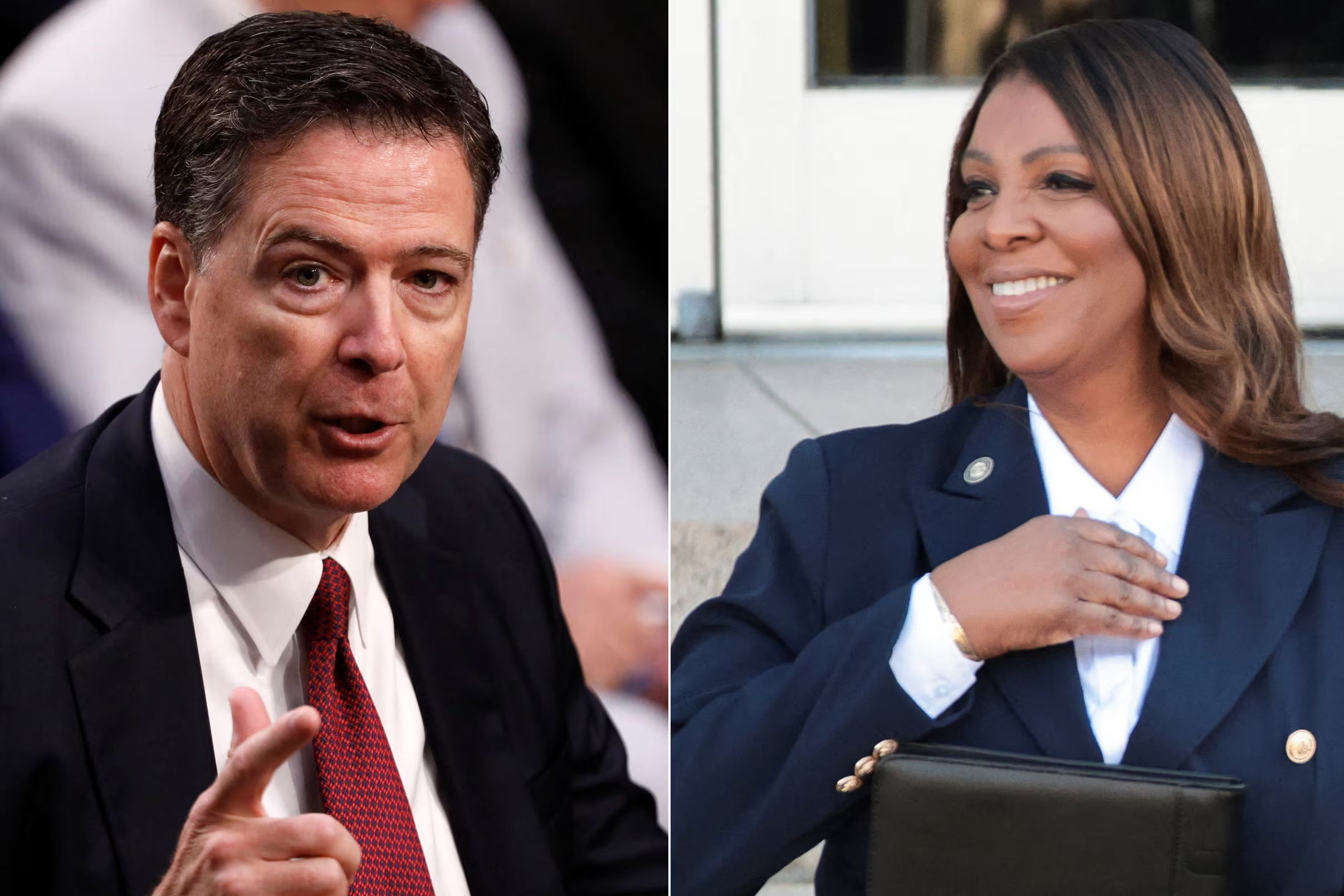
In a stunning rebuke to the Trump administration’s quest for vengeance, U.S. District Judge Cameron McGowan Currie on November 24, 2025, dismissed criminal charges against former FBI Director James Comey, effectively unraveling one of the most blatant episodes of politicized prosecution in modern American history.
The ruling, which came just days after similar charges against New York Attorney General Letitia James were tossed, exposed the fragility of the Justice Department’s rushed efforts to target Trump’s perceived enemies. Comey, long vilified by the president for his role in the Russia investigation, faced what critics called “BS formal charges”—petty counts of false statements and obstruction—while far graver allegations of misconduct during his FBI tenure went unaddressed.
This wasn’t justice; it was theater, a slap on the wrist designed to placate a base, only to crumble under judicial scrutiny, underscoring how elites at the top shield one another from real accountability.
James Comey, the towering figure who once led the FBI with a reputation for rectitude, became a lightning rod for Trump’s ire after his 2017 firing. Comey’s memos detailing conversations with the president, including Trump’s alleged pressure to drop the Michael Flynn probe, fueled the Mueller investigation into Russian election interference.
To Trump loyalists, Comey was the architect of a “deep state” hoax; in reality, his actions exposed potential abuses of power. Yet in Trump’s second term, the administration zeroed in not on those constitutional concerns—like the FBI’s handling of the Steele dossier or the Crossfire Hurricane probe—but on technicalities from Comey’s post-FBI life.
Indicted on September 25, 2025, in the Eastern District of Virginia, Comey faced two counts: making a false statement to Congress and obstructing a congressional proceeding. The charges stemmed from his 2020 Senate Judiciary Committee testimony, where he allegedly downplayed sharing memos with a friend (Columbia Law professor Daniel Richman) who leaked them to the New York Times. Prosecutors claimed this amounted to lying about authorizing leaks, but legal experts dismissed it as a “bare-bones” case, riddled with evidentiary holes and prosecutorial overreach.
These were indeed “slap on the wrist” accusations, paling against Comey’s purported “grander crimes.” Trump and allies have long accused him of orchestrating the Russia probe’s origins, including FISA abuses on Carter Page and the use of unverified intelligence to spy on his campaign—issues detailed in the 2019 Horowitz report and Durham’s 2023 indictment of FBI lawyer Kevin Clinesmith.
Yet the DOJ, under Attorney General Pam Bondi, pursued no such sweeping charges. Instead, interim U.S. Attorney Lindsey Halligan—a Trump personal lawyer with zero prosecutorial experience—personally ramrodded the indictment days after her appointment, ignoring career prosecutors who deemed the evidence insufficient. Halligan’s solo presentation to the grand jury bypassed norms, and even the final indictment wasn’t fully reviewed by jurors, raising “genuine issues of misconduct,” as Magistrate Judge William Fitzpatrick warned earlier in November. Comey pleaded not guilty on October 8, vowing to fight what he called a “vindictive” assault on the rule of law.
This wasn’t isolated. Trump’s Truth Social rants in late September explicitly urged Bondi to charge Comey, James, and California Senator Adam Schiff, framing it as overdue accountability. The administration went after James aggressively for alleged mortgage fraud on a Norfolk, Virginia, property—misrepresenting it as her primary residence to snag better loan terms, netting her $18,933 in “ill-gotten gains.”
Indicted October 9 on bank fraud and false statements, James pleaded not guilty, blasting the case as retribution for her $500 million civil fraud win against the Trump Organization in 2024. But Schiff? Despite Trump’s taunts labeling him “Shifty,” the mortgage fraud probe into his Maryland home stalled. Maryland U.S. Attorney Kelly Hayes informed DOJ brass in October that evidence was too thin, and by November, internal investigations targeted Trump allies like FHFA Director Bill Pulte and special prosecutor Ed Martin for potentially enlisting unauthorized investigators.
Why the disparity? Only Comey and James crossed the finish line to indictment, perhaps because Virginia’s Eastern District—home to “rocket docket” speed—offered the quickest spectacle. Schiff’s case, mired in evidentiary doubts, became a cautionary tale of overreach.
Enter Judge Currie, a Clinton appointee borrowed from South Carolina to avoid conflicts. Her dual rulings gutted both cases on Appointments Clause grounds: Halligan’s interim role, installed after ousting holdover prosecutor Erik Siebert (who balked at the weak evidence), violated federal limits on temporary appointments, expiring May 21, 2025.
“All actions flowing from Ms. Halligan’s defective appointment… were unlawful exercises of executive power,” Currie wrote, dismissing without prejudice—meaning refiling is theoretically possible, but Comey’s five-year statute of limitations lapsed September 30. The White House cried foul, with Press Secretary Karoline Leavitt slamming it as a “technical ruling” by a “partisan” judge, vowing an appeal. 2 Comey, ever the moralist, posted on social media: “This case mattered… because a message has to be sent that the President cannot use the DOJ to target enemies.”
In the end, this saga reveals the hollowness of Trump’s retribution tour. The indictments were political theater—crumbs tossed to a voter base inflamed by years of grievances, destined to be forgotten amid the next outrage cycle. Comey’s “leniency” wasn’t mercy; it was the system recoiling from its own excesses, protecting institutional norms even as it shields the powerful. No grand indictments for election meddling or abuse of power materialized; just procedural farces that evaporated. It proves a bitter truth: Justice in America isn’t blind—it’s selective, a club for criminals at the top who circle the wagons, leaving the public with echoes of accountability that never quite ring true.