
Shutdown Averted—For Now: Congress Kicks the Can on Holiday Chaos, But January Looms

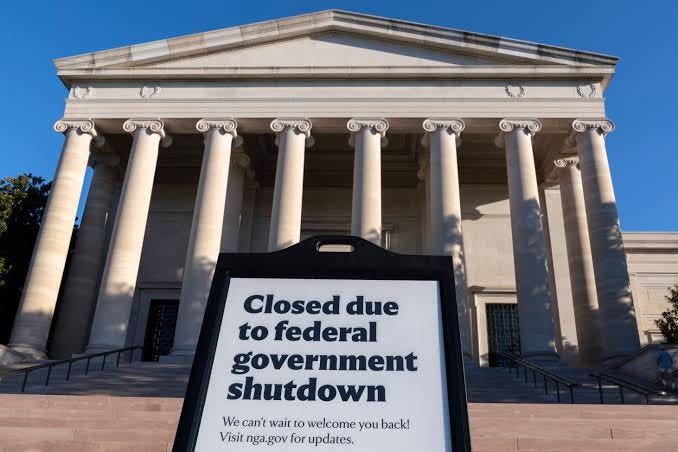
In a dramatic late-night vote on November 10, 2025, the U.S. Senate passed a bipartisan continuing resolution (CR) to end the nation’s longest-ever government shutdown, clocking in at 41 grueling days since October 1.
The measure, funding federal operations through January 30, 2026, now awaits House approval on November 12—post-Veterans Day—with President Donald Trump poised to sign it swiftly, sparing millions from further economic pain.
But this isn’t victory; it’s a Band-Aid on a festering wound. The deal, born of exhaustion and electoral math, buys time for Thanksgiving turkey and family reunions, yet sets the stage for round two in the new year, when deeper fiscal fissures will demand reckoning.
The shutdown’s roots trace to partisan trench warfare over the fiscal year 2026 budget. Republicans, wielding slim majorities, demanded steep cuts to domestic spending—slashing $100 billion from social programs, including SNAP food assistance that left 41 million low-income Americans without November benefits.
Democrats countered with a non-negotiable: Extend Affordable Care Act (ACA) premium subsidies, set to expire December 31, which could spike health costs by 20% for middle-class families. Stalemate ensued, furloughing 1.4 million federal workers (many unpaid) and idling agencies from national parks to the IRS. Economic hemorrhaging hit $15 billion weekly, per White House estimates, with GDP growth shaved by 0.3% in Q4.
What broke the impasse? Public fury, amplified by holiday horrors. As Thanksgiving approached—poised to be the busiest travel season on record, with Amtrak forecasting double-digit booking surges—air travel descended into nightmare. Unpaid air traffic controllers, already short-staffed, triggered FAA restrictions: 5,000 flights canceled over a weekend, with cancellations spiking to 10% nationwide by November 9.
TSA lines ballooned, stranding families at O’Hare and LaGuardia; experts warned of “thousands” grounded if unresolved, echoing 2018’s Christmas shutdown but hitting earlier. Transportation Secretary Sean Duffy’s stark memo—capping flights at 10% reductions starting November 14—lit the fuse, with airlines like Delta and United slashing schedules and issuing travel waivers. Polls showed 70% blaming Congress, pressuring lawmakers home for the holidays to face irate constituents.
Enter the cave-in: Senate Minority Leader Chuck Schumer, battered by intra-party revolt, watched seven Democrats (led by moderates like Mark Warner and Tim Kaine) and one independent defect to join Republicans in a 51-49 procedural vote. Bernie Sanders decried it as a “betrayal,” but the bloc—haunted by 2018’s shutdown scars—prioritized normalcy over subsidies. GOP hardliners, eyeing midterms, relented on deeper cuts, framing the CR as a “strategic pause.” Trump, golfing at Mar-a-Lago, tweeted approval: “Great deal! Government reopens—flights take off. MAGA wins bigly.” The bill reverses worker firings (temporarily halted by courts), restores SNAP payments, and eases park closures, but punts ACA fixes to December lame-duck sessions.
This scramble was unmistakably holiday-driven. Lawmakers invoked “family first,” with Senate Majority Leader Mitch McConnell warning of “unforgivable” Thanksgiving meltdowns. Aviation unions lobbied furiously, citing controller burnout and safety risks; a near-miss at Reagan National underscored the peril. States like California and Virginia bridged gaps with emergency funds for food aid, but travel’s national scope forced federal action.
As NPR noted, unresolved shutdowns historically amplify holiday woes—longer lines, pricier tickets—turning feasts into fiascos. By November 11, relief washed over airports, but experts like Embry-Riddle’s Philip Mann caution: Recovery lags, with controllers needing weeks to decompress, meaning spotty service through December.
Yet this reprieve is fleeting—a classic Washington punt. The CR expires January 30, thrusting Congress into debt ceiling talks amid Trump’s tax cut extensions and border wall funding demands. ACA subsidies dangle unresolved, with Democrats vowing filibusters; Treasury’s Scott Bessent warns of “worsening” economic drag if lapsed. Fiscal hawks eye $2 trillion in deficits, teeing up shutdown 2.0 by mid-January, when new GOP majorities (post-midterms) harden lines. As USA Today quipped, its “shutdown theater”—endless sequels until comprehensive reform, which polarization precludes.