
Shadows Over the Table: Ukraine-Russia Peace Talks Amid Escalating Strikes

As winter grips the war-torn landscapes of Eastern Europe, a flicker of diplomatic hope pierces the gloom of nearly four years of conflict between Ukraine and Russia. On November 25, 2025, U.S. President Donald Trump announced that negotiations for a peace deal are nearing a breakthrough, with “only a few remaining points of disagreement” after marathon sessions in Geneva and Abu Dhabi.
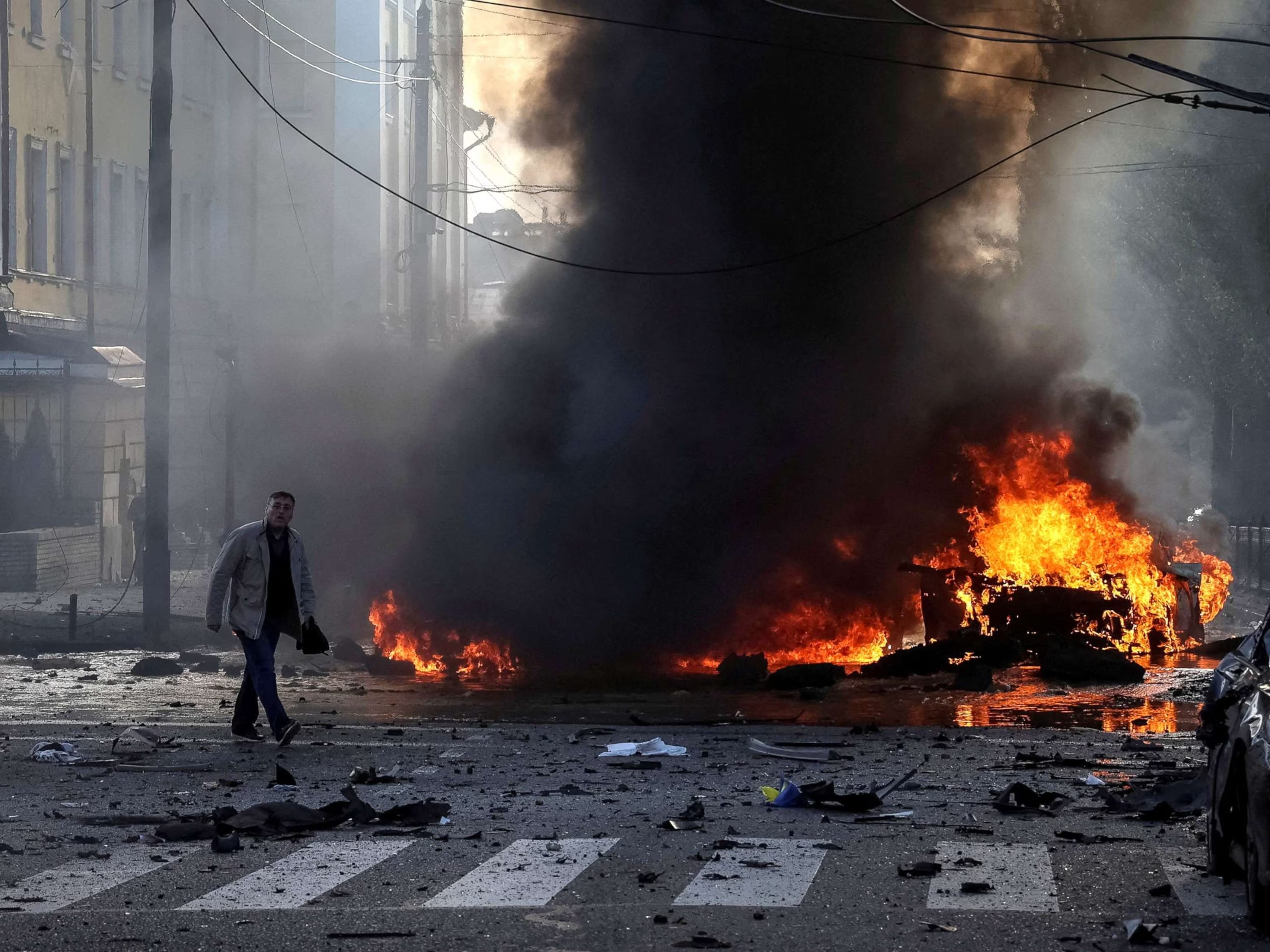
Ukrainian President Volodymyr Zelenskyy echoed this cautious optimism, stating his readiness to advance a U.S.-backed framework and discuss “sensitive points” directly with Trump, potentially as early as this week. Yet, even as envoys shuttle between capitals, the battlefield tells a grimmer tale: Russian missiles slammed into Kyiv overnight, killing at least seven and wounding 20, while Ukrainian drones struck southern Russia, claiming three lives. This deadly disconnect—talks at the table, terror in the trenches—exposes the fragile tightrope of diplomacy in a war that has already devoured over 500,000 lives and reshaped global alliances.
The latest round of talks, jump-started by Trump’s aggressive push for a “deal” since his August Alaska summit with Russian President Vladimir Putin, builds on a whirlwind of U.S.-led shuttle diplomacy. Over the weekend of November 23-24, American negotiators, including Secretary of State Marco Rubio and Army Secretary Dan Driscoll, huddled with Ukrainian counterparts in Geneva.
What emerged was a streamlined 19-point “refined peace framework,” a significant evolution from the initial 28-point draft leaked earlier in the week. That original blueprint, drawn partly from a Russian “non-paper” shared in October, tilted heavily toward Moscow’s maximalist demands: ceding chunks of Donetsk and Luhansk oblasts (including fortified “fortress belt” cities), a perpetual ban on Ukraine’s NATO membership, caps on Kyiv’s military at 100,000 troops, and demilitarization zones along borders. European allies and Ukrainian officials decried it as a “Kremlin wish list,” prompting frantic revisions to soften the blow.
What’s new in this iteration? The 19-point plan trims extraneous clauses—such as U.S.-Russia bilateral issues unrelated to Ukraine—and introduces wiggle room on red lines. Ukraine has signaled agreement to “core terms,” including temporary territorial concessions in the east for a ceasefire, but with ironclad “security guarantees” from the U.S. and Europe, potentially via a multinational peacekeeping force led by France and the UK (the so-called “Coalition of the Willing”).
Zelenskyy insists on a viable EU path and reconstruction funding, rejecting any “surrender” that locks out NATO forever. On the table: phased de-escalation starting with port and energy infrastructure ceasefires (floated by Turkish President Erdogan as a bridge to Istanbul talks), prisoner swaps, and economic aid packages totaling billions. Trump, ever the dealmaker, has dispatched Special Envoy Steve Witkoff to Moscow next week for face-time with Putin, while Driscoll coordinates with Kyiv—signaling U.S. leverage through aid and sanctions relief. European leaders, from Macron to Starmer, are dialing in virtually, urging “firm commitments” to bolster Ukraine’s post-war defenses.
But here’s the bitter irony: these velvet-gloved overtures coincide with bare-knuckled brutality. Just hours after Geneva wrapped, Russia’s barrage of 48 missiles and 470 drones pummeled Kyiv’s residential districts and power grid, shattering apartments and leaving thousands in the cold— a “cynical terror” response, per Zelenskyy, to U.S. peace overtures.
In the Dniprovskyi quarter, 90-year-old Liubov Petrivna sifted through glass-strewn ruins, scoffing at the talks: “No one will ever do anything about it.” Ukraine hit back with drones on Russia’s Rostov region, killing three and wounding 16, targeting what Moscow calls “civilian objects.”
As Driscoll met Russian delegates in Abu Dhabi on November 25, explosions echoed over Ukraine’s skies— a stark reminder that Putin views the negotiating table as leverage, not an off-ramp. Kremlin Foreign Minister Sergei Lavrov dismissed the revisions as potentially “erasing” Alaska accords, while ultranationalist voices in Moscow decry any compromise short of total victory. Analysts warn Putin is playing a win-win: accept a favorable deal subordinating Ukraine, or let talks fizzle to erode Western resolve, all while grinding advances in Donetsk at a foot-per-day pace.
This paradox isn’t new—history’s peace processes, from Vietnam to Bosnia, have unfolded under fire— but it underscores the talks’ precarity. Ukraine’s concessions buy time for winter defenses and drone innovations, yet risk emboldening Russia if guarantees falter. Trump touts “tremendous progress,” but a senior Ukrainian source reveals “significant gaps” on Donbas borders, NATO, and rebuilding funds— hurdles that could derail everything if Putin doubles down. Zelenskyy’s potential D.C. dash might seal the framework, but without Moscow’s buy-in, it’s just another round of shadowboxing.
In the end, these talks aren’t just about maps and missiles; they’re a referendum on power’s price. As Kyiv’s lights flicker and drones hum, the world watches: Can diplomacy douse the flames, or will the table become another casualty? With Witkoff en route to the Kremlin and strikes unrelenting, the answer hangs as tenuously as a Black Sea ceasefire. For now, the guns speak louder than the envoys—but perhaps, just perhaps, that’s the prelude to silence.
What a thought provoking article! Thanks for sharing