
Millions of Rabies Vaccine Baits Rain from the Sky: America’s Annual Wildlife Vaccination Blitz

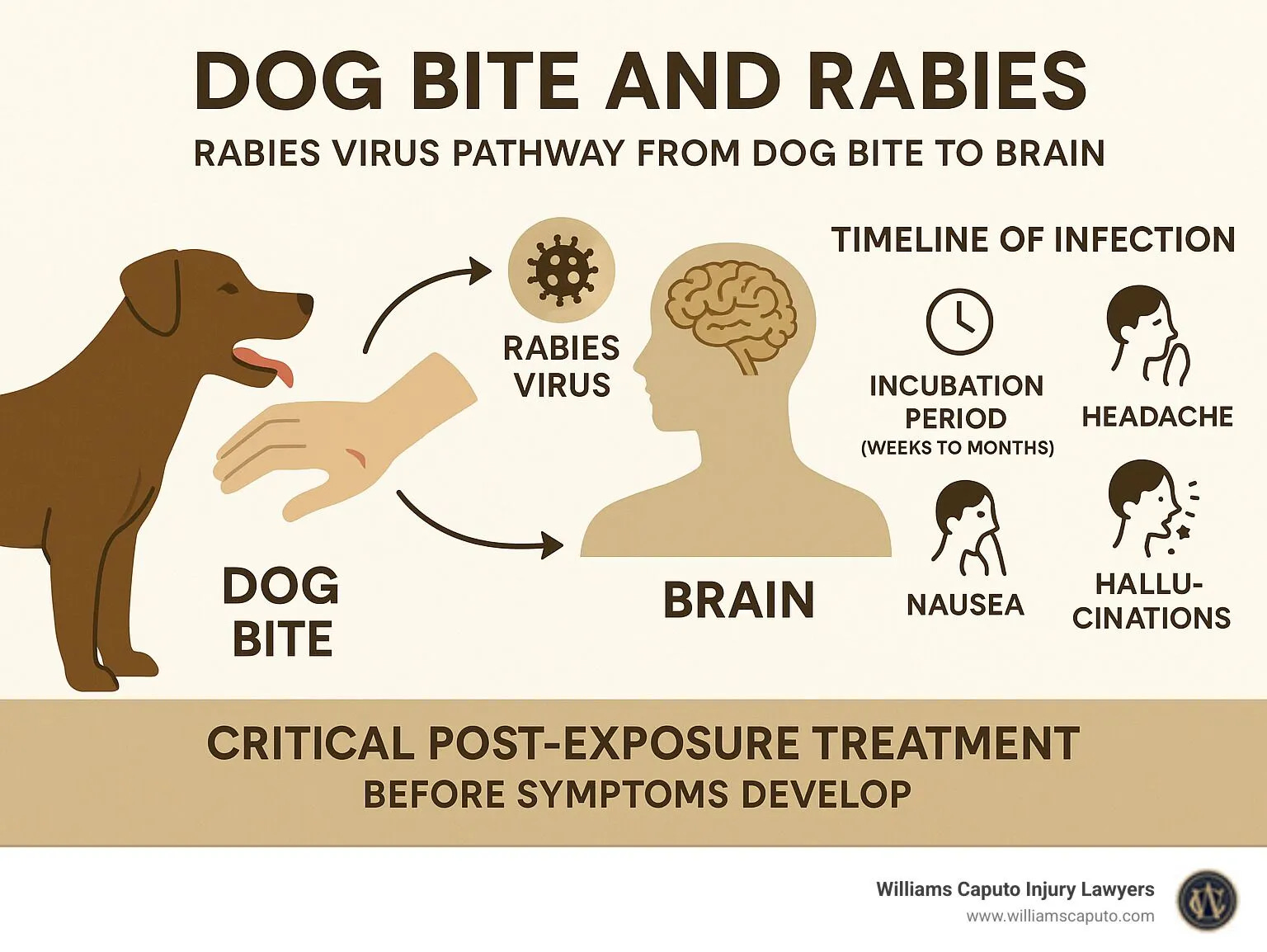
Every year, low-flying planes and helicopters scatter millions of edible vaccine packets across rural and suburban America in one of the world’s most successful — and unusual — public health campaigns. In 2025 alone, the U.S. Department of Agriculture (USDA) dropped or hand-placed over 9 million oral rabies vaccine (ORV) baits targeting raccoons, coyotes, foxes, and other wildlife in at least 16 states, from Texas to Maine, and Pennsylvania to Alabama. These fishmeal-scented packets — about the size of a ketchup packet or a small cube — contain a live attenuated rabies vaccine (primarily RABORAL V-RG or ONRAB) designed to immunize wild animals when they chew and swallow them.
The goal? Create “immune barriers” that stop rabies from marching across the landscape, especially the raccoon variant that has plagued the Eastern U.S. since the 1970s. The program, now in its fourth decade, has been spectacularly effective: canine rabies was eliminated in the U.S. by 2007, gray fox variants in Texas are nearly gone, and human rabies deaths from terrestrial animals are now extraordinarily rare (fewer than 5 per year, mostly from bats).
Pros of the ORV airdrops
Huge public health win — Prevents rabies spillover into pets and people without trapping or injecting wild animals.
Cost-effective — Modeling shows ORV saves millions in human post-exposure treatments (which cost $3,000–$7,000 per case) and pet boosters.
Safe for non-target species — The vaccine is harmless if eaten by dogs, cats, squirrels, birds, or even humans (though you should wash hands and call the hotline on the bait).
Ecologically smart — Targets reservoir species (raccoons hold ~40% of U.S. wildlife rabies cases) and has helped push the rabies frontier westward back toward the Appalachians.
Cons and criticisms
Logistics and litter → Millions of plastic sachets end up in forests and yards; most biodegrade or are retrieved, but some remain as trash.
Rare non-target effects → A few documented cases of the vaccine virus causing rabies in immunocompromised animals (extremely rare).
Not 100% effective → Bait acceptance varies; cold weather or competing food sources can reduce uptake.
Conspiracy fuel → Online communities sometimes misrepresent the fishmeal baits as “government poisoning” or forced mass vaccination, despite the program being entirely voluntary for wildlife.
For domestic dogs and cats, the story is different — and increasingly contentious. Rabies vaccination is legally required in nearly every U.S. state for dogs and in most for cats, typically starting at 12–16 weeks of age with boosters every 1–3 years. Veterinary consensus is overwhelming: the injectable killed-virus rabies vaccine is one of the safest and most effective vaccines ever developed, with adverse reactions in less than 1 in 10,000 doses.
Yet a growing minority of pet owners — fueled by post-COVID vaccine skepticism — are refusing or delaying rabies shots. Surveys show 40–50% of dog owners now express some hesitancy toward routine pet vaccines, with spillover from human anti-vax beliefs. Some cite debunked fears of “autism” in dogs, over-vaccination concerns, or holistic/natural immunity philosophies. Others simply believe their indoor cat “never goes outside” or that rabies is “extinct” in their area.
Veterinarians counter that rabies remains present in wildlife nationwide (over 4,000 rabid animals reported annually), and unvaccinated pets that bite humans trigger mandatory quarantine or euthanasia. Skipping the shot also bars pets from boarding, grooming, travel, and many apartments.
In short, the sky-dropped baits are a clever, proven tool keeping rabies at bay in the wild. For your dog or cat, the rabies vaccine remains non-negotiable public health law and common sense — because once symptoms appear in any mammal, rabies is virtually 100% fatal. The choice to abstain isn’t just risky for your pet; in a rabid world, it’s a gamble with everyone else’s safety too.