
Lana Rhoades’ Tearful Plea to Erase Her Past: Regret, Responsibility, and a Warning to the Next Generations

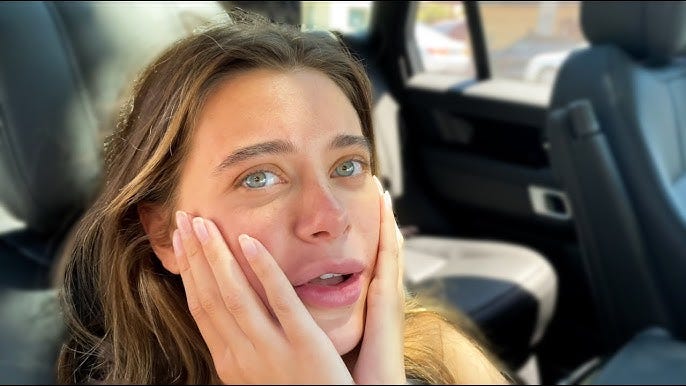
In late 2025, former adult star Lana Rhoades (real name Amara Maple) broke down in tears during a podcast appearance, publicly begging every studio and website to delete all of her scenes. Now 29 and a mother to a young son named Milo, she says she was only 18 when she entered the industry, groomed, manipulated, and too naive to understand the lifelong consequences. “I was a child,” she sobbed. “Please take everything down. I don’t want my son to ever see this.”
The internet has responded with a predictable split: one side offering sympathy and demanding compassion for a young woman who says she was exploited; the other pointing out that Lana filmed well over 300 scenes across multiple years, earned millions, repeatedly signed contracts as an adult, and even returned to the industry after brief “retirements.” Consent, they argue, was given again and again, sometimes in extreme, multi-partner scenes that required deliberate planning and sober agreement. Age 18 may be young, but it is still legal adulthood. The consequences, harsh as they feel now, were earned.
Both sides contain truth.
Yes, the adult industry preys disproportionately on girls from unstable homes. Lana has been open about her chaotic childhood, absent father, early drug use, and juvenile detention at 16. Recruiters know exactly which demographics are most vulnerable: broken families, low self-esteem, and the promise of quick money and validation. Many performers follow almost identical trajectories. That pattern is real, and it is predatory.
At the same time, personal responsibility does not evaporate because someone had a difficult childhood. Lana was not trafficked. She was not drugged or coerced on set. She became one of the industry’s biggest stars by choice and design, often directing her own career moves. Regret at 29 does not rewrite the contracts signed at 20, 21, 22, 23. Once footage is released to the world, permanent deletion is functionally impossible in the age of torrents and mirror sites. That is the brutal bargain every performer makes, and pretending otherwise helps no one.
The real tragedy is the little boy who will one day Google his mother’s name. Classmates are cruel, and the internet never forgets. Whatever justified sympathy we have for Lana’s pain, Milo did not sign up for any of this. He is the true innocent.
So where do we land?
Compassion without absolution. Lana deserves empathy for the manipulation she experienced at 18, but she does not get a retroactive exemption from the natural consequences of six additional years of willing participation.
Cultural course-correction. If we want fewer 18-year-old girls making the same choice, we must address the root causes: fatherless homes, the glamorization of “sex work” on social media, and an industry that still legally films girls the literal day they turn 18. Raise the minimum age to 21, mandate secondary consent 30–90 days after initial contracting (a “cooling-off” period), and hold recruiters liable when they target obviously troubled teens.
Honesty as prevention. The most powerful thing Lana can do now is keep telling her story exactly as it happened, without softening the parts that make her look bad. Young girls need to hear the unvarnished version: the money runs out, the fame turns toxic, and the videos outlive you. That raw truth will save more teenagers than any amount of corporate takedown requests ever could.
Lana Rhoades cannot undo her past, and neither the law nor technology will fully shield her son from it. But if her public pain forces even a few 17-year-olds to pause before signing their first contract, some good can still come from the wreckage.
The lesson is painful, permanent, and (for the next generation) possibly lifesaving.