
Cracks in the Consensus: CDC’s Pivot on Vaccines and Autism

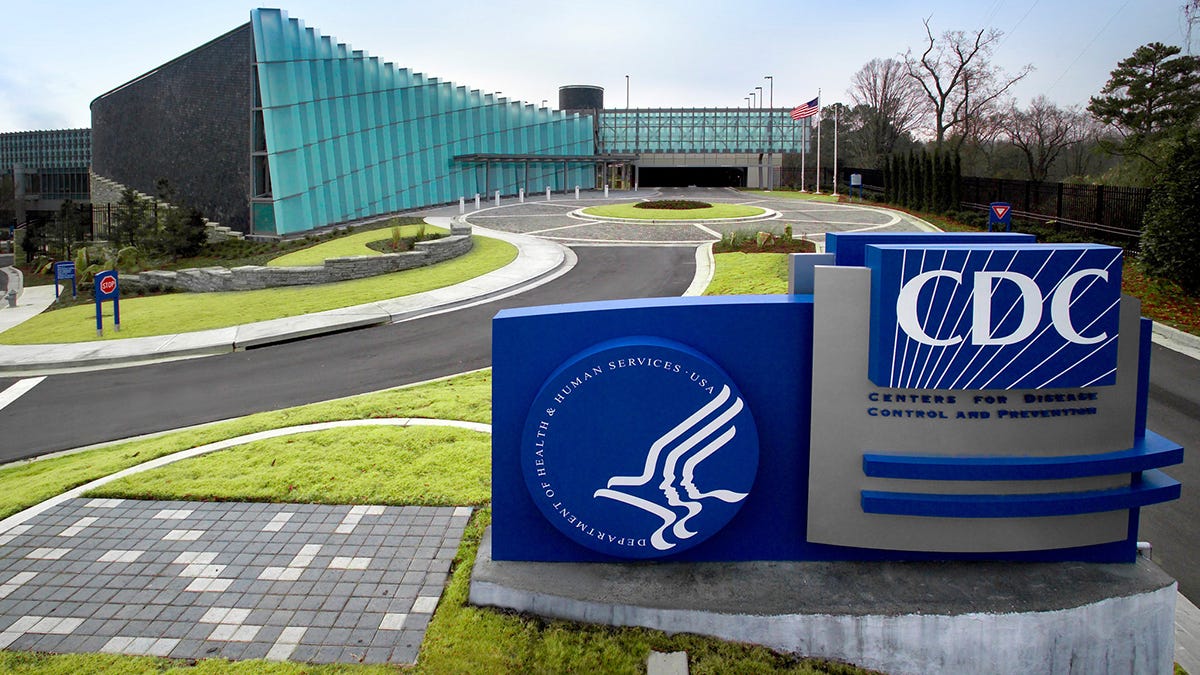
In a seismic shift that’s rippling through public health circles, the Centers for Disease Control and Prevention (CDC) has quietly revised its longstanding webpage on vaccines and autism. As of November 19, 2025, the site no longer flatly declares “Vaccines do not cause autism.”
Instead, it now states: “The claim ‘vaccines do not cause autism’ is not an evidence-based claim because studies have not ruled out the possibility that infant vaccines cause autism.” This isn’t a full-throated endorsement of a causal link—far from it—but it’s a stark departure from decades of unequivocal messaging, one that acknowledges “plausible biologic mechanisms” and accuses health authorities of historically “ignoring” studies suggesting a connection.
For parents, scientists, and policymakers, this pivot under the Trump administration’s new Health and Human Services (HHS) leadership—headed by vaccine skeptic Robert F. Kennedy Jr.—signals a long-overdue reckoning with suppressed data and regulatory overreach. It’s a moment to question not just the science, but the machinery that has guarded it.
The timing couldn’t be more charged. Autism diagnoses have surged from 1 in 150 children in 2000 to 1 in 36 today, a rise that correlates eerily with the expansion of the childhood vaccine schedule—from five doses in 1986 to over 70 by age 18 in 2025. The CDC’s updated page highlights this temporal overlap, noting that while no definitive proof exists, “scientific studies have not ruled out” contributions from ingredients like aluminum adjuvants or the sheer cumulative load of early vaccinations.
Proposed mechanisms include neuroinflammation triggered by vaccine-induced immune overactivation in genetically susceptible infants, where aluminum—used to amplify immune response—may cross the immature blood-brain barrier, disrupting neural development. Another pathway: persistent low-level inflammation from multiple antigens overwhelming a toddler’s detox systems, potentially altering gene expression in ways linked to autism’s hallmarks, like social withdrawal and repetitive behaviors. These aren’t fringe theories; they’re echoed in the CDC’s nod to “biologic mechanisms” now under HHS-funded review, including contracts with institutions like Rensselaer Polytechnic Institute to probe causal links.
Yet this openness comes after years of what critics call deliberate data suppression. The infamous 1998 Wakefield study—later retracted for fraud—ignited the debate, but whistleblowers like CDC researcher William Thompson in 2014 alleged that agency scientists manipulated a 2004 MMR-autism study to downplay risks in African American boys, burying data showing a 3.4-fold increased odds of autism post-vaccination.
More broadly, the Vaccine Safety Datalink—a CDC-monitored database—has been accused of underreporting adverse events, with FOIA-released documents revealing that only 1% of serious reactions make it to public view. Aluminum’s role? A 2014 study flagged its correlation with rising autism rates, yet the CDC dismissed it without replication, citing “methodological flaws” while fast-tracking vaccines containing up to 1,250 micrograms per dose—far exceeding the EPA’s safe daily limit for infants.
This isn’t oversight; it’s a pattern. During the COVID era, Operation Warp Speed bypassed long-term safety trials, and now, with measles outbreaks surging 30% in unvaccinated pockets, the human cost of eroded trust is clear. Families like those in the Autism Science Foundation’s network report “regression” post-vaccination—sudden losses in speech and eye contact—dismissed as coincidence despite thousands of VAERS reports.
The manipulation? Pharma influence. Vaccine makers, shielded by the 1986 National Childhood Vaccine Injury Act’s liability immunity, have poured billions into lobbying, ensuring ACIP—the CDC’s vaccine advisory body—remains a rubber stamp for untested combos.
Enter the new administration: a libertarian-constitutional reset button. President Trump’s HHS, via Kennedy’s “Make America Healthy Again” directive, has reconstituted ACIP entirely, purging all 17 prior members in June 2025 and appointing eight independents unbound by industry ties. No longer will recommendations greenlight “untested” schedules lacking placebo-controlled, long-term trials—spanning decades, not months.
The revamped ACIP, meeting June 25-27 in Atlanta, now mandates reviews of cumulative effects, thimerosal removal from flu shots, and sunset clauses for mandates, echoing the 10th Amendment’s devolution of health powers to states. 16 This isn’t anti-vax zealotry; it’s accountability. The Founders warned against unchecked federal overreach in Federalist No. 51—ambition countering ambition—and here, bloated agencies like the CDC have wielded monopoly power, fining dissenters and censoring platforms under guise of “misinformation.” Kennedy’s team is enforcing transparency: real-time VAERS audits, independent meta-analyses, and funding for genetic-vaccine interaction studies, prioritizing self-reliance over coercion.
Skeptics decry this as dangerous myth-mongering, but the real peril is complacency. If vaccines play even a minor role in autism’s epidemic—via adjuvant overload or immune dysregulation—ignoring it dooms generations. The new ACIP offers a path to “proper regulation”: rigorous, liberty-preserving standards that protect the vulnerable without mandating blind faith. Parents deserve data, not dictates; children, safety trials, not schedules born of profit. As HHS launches its “comprehensive assessment,” one truth endures: In a free society, health policy must bow to evidence, not entrenchment. The question isn’t if reform comes—it’s whether we seize this chance to shrink the leviathan before it claims more innocence.