
Amazon’s Robotic Revolution: 500,000 Jobs on the Line and the Future of Work

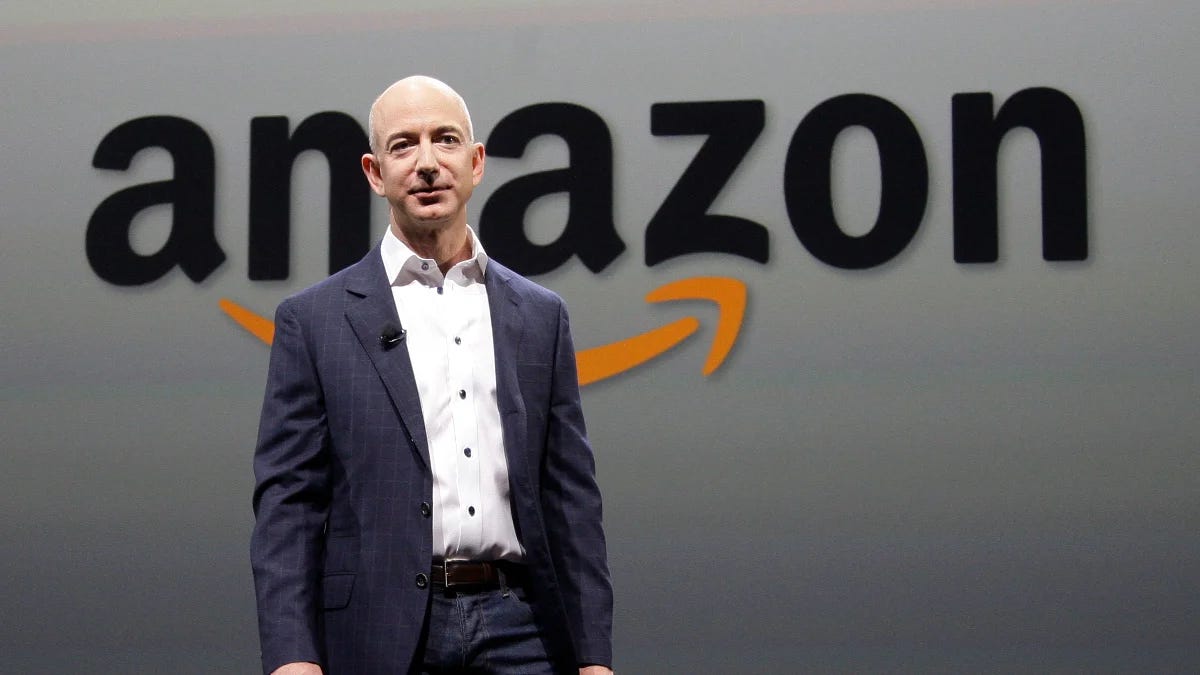
In a seismic shift that’s rippling through the world of e-commerce and beyond, Amazon is accelerating its automation agenda, with internal plans to replace over 500,000 human jobs with robots by 2033.
According to a bombshell report from The New York Times, the retail giant’s executives are eyeing a future where machines handle the lion’s share of warehouse operations, saving billions while fundamentally reshaping labor.
This isn’t a sudden layoff spree but a strategic pivot to “flatten the hiring curve,” avoiding the need to onboard hundreds of thousands of workers even as sales double. With Amazon’s U.S. workforce already hovering around 1.2 million—many in its vast network of fulfillment centers—this move signals the dawn of a more automated era, one where robots don’t just assist but dominate the daily grind.
At the heart of this transformation are the grueling, repetitive jobs that have long defined Amazon’s warehouse ecosystem. Think of the “pickers” who roam aisles, scanning and grabbing items from shelves; the “stowers” who meticulously place products in storage pods; and the “packers” who box up orders under relentless quotas.
These roles, often physically taxing and prone to injury, account for the bulk of the targeted positions. Amazon’s facilities currently employ over 750,000 industrial robots, but the next wave will scale that fleet dramatically, displacing an estimated 160,000 hires by 2027 alone. The company’s Fulfillment Technology and Robotics team projects annual savings of up to $4 billion, trimming about 30 cents per item processed and delivered. It’s efficiency on steroids, but at the cost of human elbow grease.
Enter the robotic replacements: a sophisticated arsenal of machines designed for precision and endurance. Amazon’s proprietary bots are evolving from basic shelf-movers to versatile workhorses. Take Proteus, the autonomous mobile robot that shuttles carts of packages to loading docks without human guidance, navigating chaotic warehouse floors like a self-driving pro.
Then there’s Hercules, a beast built for heavy lifting, hauling bulky items that would strain even the strongest workers. For finer tasks, Pegasus sorts packed orders at lightning speed, while Robin and Sparrow—robotic arms with AI-enhanced vision—pluck and place items with surgical accuracy.
In advanced facilities like the one that opened in 2024 with 1,000 robots, entire zones operate ghost-town quiet, with bipedal prototypes in testing mimicking human dexterity for container handling. These “cobots” (collaborative robots) aren’t just tools; they’re set to automate 75% of Amazon’s operations, blending AI for decision-making with hardware that’s cheaper to run than a human salary.
This isn’t Amazon’s first rodeo with innovation displacing drudgery. History is littered with examples: the steam engine birthed factories but erased farmhands; assembly lines turbocharged car production while sidelining artisans. Each wave of tech— from computers to the internet—has torched old jobs only to kindle new ones.
Amazon itself touts this cycle, arguing that automation frees up cash for higher-paying gigs like robotic technicians, software engineers, and data analysts. VP Udit Madan has framed it positively: robots handle the heavy lifting, letting humans pivot to oversight and innovation. In theory, displaced pickers could upskill into maintaining the very machines that ousted them, much like how typists evolved into web developers.
But here’s the rub: the AI and robotics revolution might shatter that tidy equilibrium. Past shifts were linear—tech amplified human labor, creating more roles than it destroyed. Today, with generative AI and machine learning, we’re talking exponential disruption. Amazon’s plan isn’t isolated; it’s a bellwether for a world where algorithms optimize everything from logistics to customer service.
Nobel-winning economist Daron Acemoglu warns that if giants like Amazon turn net job destroyers, we’ll face wage suppression (studies show each robot per 1,000 workers cuts U.S. pay by 0.42%) and community fallout, especially in states like California with 154,000 Amazon jobs at stake. Unlike before, new jobs may not scale fast enough to absorb the losses, potentially widening inequality unless policies like retraining subsidies or universal basic income step in. We’re not just automating tasks; we’re automating entire workflows, raising the specter of structural unemployment.
Peering ahead, the horizon bristles with at-risk professions. Beyond warehouses, trucking and delivery drivers—millions strong—face autonomous fleets from companies like Waymo and Amazon’s own drone experiments. Retail cashiers and stock clerks could vanish as AI-powered stores like Amazon Go proliferate. In white-collar realms, routine data entry, basic coding, and even paralegal research are prime targets for AI tools. Manufacturing assemblers, call center reps, and agricultural harvesters round out the vulnerable list. By 2030, experts predict 800 million global jobs could be automated, per McKinsey, hitting low-skill sectors hardest.
So, how do you armor up? Start with adaptability: invest in lifelong learning through platforms like Coursera or Amazon’s own Upskilling 2025 initiative, which has trained 300,000+ employees in cloud computing and machine learning. Focus on hybrid skills—tech literacy paired with soft strengths like emotional intelligence for roles in sales, therapy, or team leadership.
Entrepreneurship thrives in flux; side hustles in content creation or consulting can hedge bets. Governments and firms must collaborate on “just transitions,” funding community colleges for robotics certs and tax incentives for human-centric hiring. Buffer by diversifying: don’t pin your career to one industry, and build networks that spotlight emerging niches like AI ethics or sustainable design.
Amid the churn, one truth endures: problem-solving and creativity are humanity’s last bastions. Robots excel at repetition and data crunching, but they falter at the nuanced, the novel—the “what if” that sparks breakthroughs.
A warehouse bot won’t improvise during a supply snag or dream up viral marketing; a coder might automate debugging, but only a creative mind invents the next killer app. As Amazon’s robot army marches, these human superpowers will command premiums, turning potential peril into a renaissance for the inventive. The message? Evolve with the machines, not against them. In this robotic reckoning, the real winners won’t outrun the bots—they’ll outthink them.