
ACIP’s Landmark Vote: Scaling Back Universal Hepatitis B Vaccination for Newborns

In a pivotal decision on December 5, 2025, the Centers for Disease Control and Prevention’s (CDC) Advisory Committee on Immunization Practices (ACIP) voted 8-3 to rescind its longstanding universal recommendation for administering the hepatitis B (Hep-B) vaccine to all newborns within 24 hours of birth.
This marks a significant shift from a policy in place since 1991, which aimed to protect infants from a potentially life-threatening liver infection.
Under the new guidance, the birth dose will be reserved primarily for babies born to mothers who test positive for Hep-B or whose status is unknown, with shared decision-making encouraged for other families.
While the change has sparked controversy—drawing praise from vaccine skeptics and sharp criticism from pediatricians—this vote could empower parents with more informed choices, potentially reducing unnecessary medical interventions for low-risk infants.
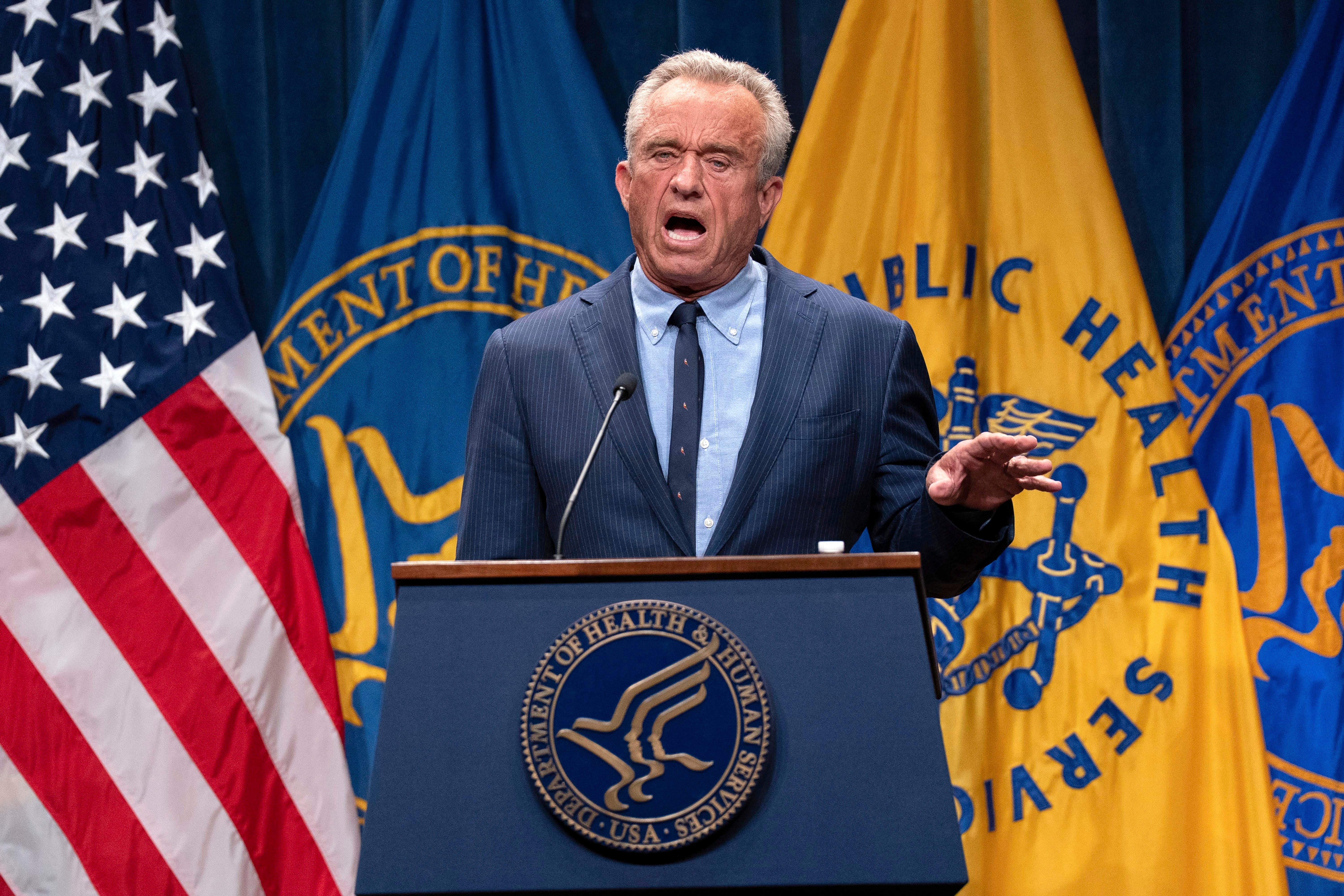
The decision comes amid growing scrutiny of routine newborn vaccinations, particularly as public health leaders like Robert F. Kennedy Jr., who has long advocated for vaccine policy reform, influence discussions. Proponents argue it’s a positive step toward evidence-based medicine, prioritizing high-risk cases where the vaccine’s benefits are clearest.
Hep-B, a viral infection spread through blood and bodily fluids, poses the greatest threat to newborns via mother-to-child transmission during birth—up to 90% infection risk without intervention. For the vast majority of U.S. babies, however, the immediate perinatal risk is negligible, thanks to widespread maternal screening. This targeted approach could alleviate parental concerns about injecting a vaccine designed for sexually transmitted or blood-borne diseases into healthy, hours-old infants.
Critics of the universal policy have long highlighted perceived flaws in the supporting data, including questions about long-term safety studies. While the Hep-B vaccine—brands like Recombivax HB and Engerix-B—received full FDA approval for pediatric use, including newborns, in the 1980s and 1990s, some analyses point to gaps in ultra-long-term clinical trials spanning decades.
During ACIP deliberations, members debated evidence from shorter-term cohorts, focusing on immediate post-vaccination behavioral patterns in the first few weeks of life. This emphasis, detractors claim, overlooked broader datasets potentially linking early vaccination to neurodevelopmental issues like autism spectrum disorder (ASD). However, extensive global research, including large-scale studies by the CDC and WHO, has repeatedly debunked any causal connection between Hep-B vaccines (or vaccines in general) and autism. A single 2010 study suggesting a weak association in male neonates was criticized for methodological flaws and has not been replicated.
U.S. autism rates have indeed surged—from about 1 in 500 children in the 1990s to 1 in 36 today—fueling speculation about environmental triggers. Yet experts attribute this primarily to improved diagnostics, broader criteria, and increased awareness, not vaccination schedules. No rigorous evidence implicates Hep-B shots as the “sole catalyst,” and similar ASD prevalence trends appear in countries with varying vaccine policies, underscoring multifactorial causes like genetics and prenatal factors.
Globally, the U.S. has stood out for its birth-dose mandate, but it’s far from alone: As of 2024, 115 of 194 World Health Organization member states recommend universal Hep-B vaccination at birth, including much of Europe, Asia, and Africa. The WHO endorses it as a cornerstone for eliminating Hep-B by 2030, crediting birth doses with slashing chronic infections worldwide. In contrast, non-universal programs in places like the UK delay the first dose to two months, yet still achieve high coverage.
A flashpoint in the ACIP debate was the risk of casual transmission to newborns. Some panelists invoked scenarios of infants contracting Hep-B from contaminated household surfaces—razors, toothbrushes, or even dried blood on toys—citing the virus’s resilience outside the body (up to seven days).
While theoretically possible, this risk is extraordinarily low in low-prevalence settings like the U.S., where only about 0.3% of the population carries Hep-B chronically. Perinatal and household close-contact exposures (e.g., via infected caregivers) remain the dominant threats, but routine maternal testing mitigates most. Fact-checkers have called these surface-risk claims overstated, potentially eroding trust without bolstering the case for universal dosing.
Ultimately, this ACIP vote isn’t a outright ban but a recalibration toward individualized care. The American Academy of Pediatrics (AAP) decried it as “irresponsible,” warning of potential Hep-B resurgence among underserved communities.
Yet for informed parents weighing short-term comfort against rare long-term threats, opting out of the birth dose—while ensuring catch-up vaccination by two months—offers a defensible path. With robust FDA oversight and decades of post-marketing surveillance affirming safety, the real win may be fostering dialogue over dogma. As Hep-B cases dwindle in vaccinated cohorts, this shift invites a broader reckoning: How do we balance prevention with prudence in an era of evolving science?